
Our Services
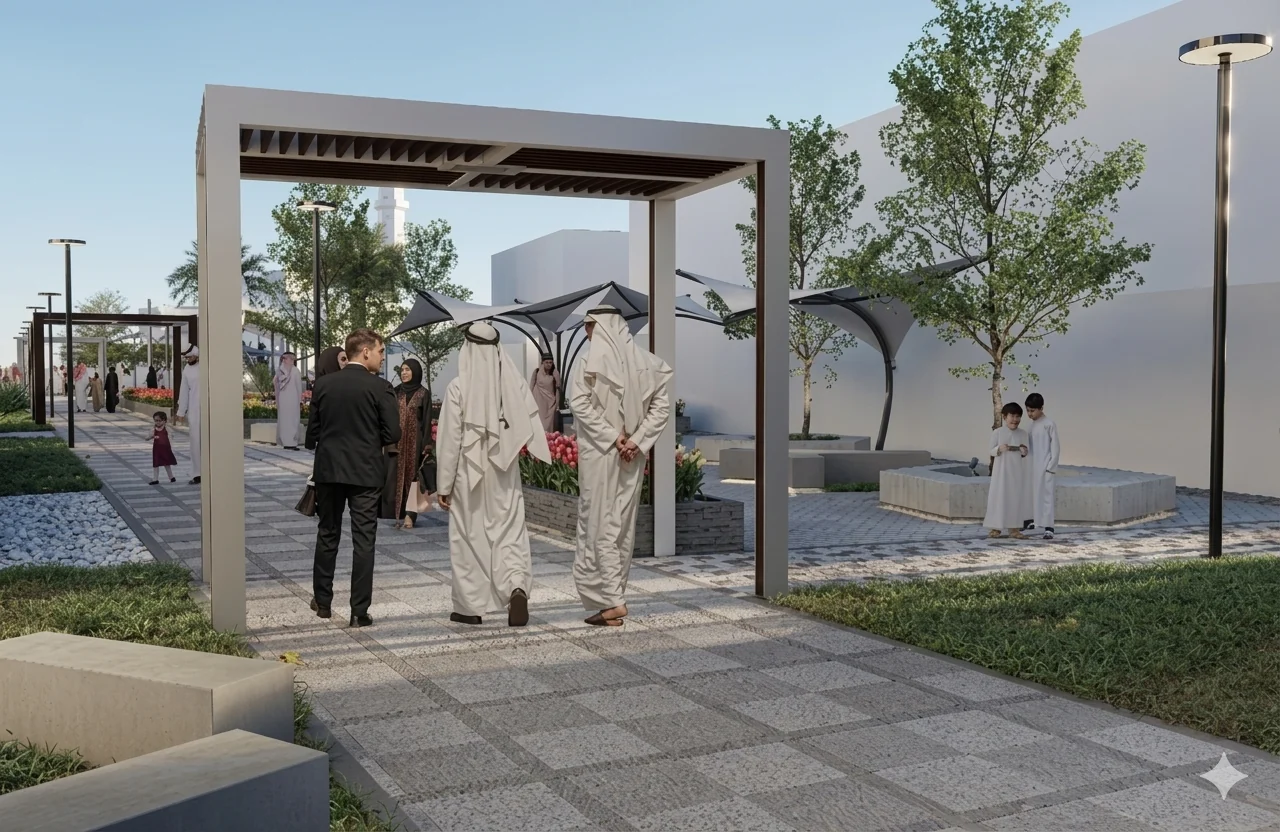
Engineering the connections.
Buildings, transport networks, infrastructure and public spaces do not operate in isolation. Our services bring their interfaces into focus, helping clients move from an initial question to a coordinated design and a practical route to delivery.
Engage us for a focused study, a single discipline or coordinated multidisciplinary support. Select a service below to explore the scope, working approach and typical outputs.
Transportation & Traffic Engineering
Make movement work.
Explore service →Roads & Infrastructure
Connect places. Coordinate systems.
Explore service →Architecture & Interiors
Places shaped around people.
Explore service →Landscape & Master Planning
A clear framework for better places.
Explore service →Project & Construction Management
Turn decisions into delivery.
Explore service →Solar & Sustainable Engineering
Performance considered from the start.
Explore service →Marine Engineering
Connect waterfront ambition with engineering.
Explore service →Specialist Studies
Evidence for the next decision.
Explore service →Choose the support that matches your decision
The right consultancy scope depends on what the project needs to achieve next. An early feasibility question requires a different response from a detailed design package or a construction-stage clarification. We help define the purpose of the commission, the information available and the outputs needed by the client or wider project team. This keeps the work focused and makes the basis of the appointment clear.
A focused study can investigate one issue, such as traffic access, parking demand, a layout constraint or the feasibility of a particular intervention. A discipline appointment develops a defined package within a wider team. A multidisciplinary commission brings related workstreams together, with coordination between the inputs and outputs. In each case, we agree the boundaries, assumptions and interfaces before developing the solution.
Planning and movement
Transportation and traffic engineering helps connect a development to the network around it. The questions may include how people arrive, where vehicles queue, how servicing operates and how pedestrian routes interact with access points. Landscape and master planning consider the wider spatial framework: land uses, connections, public spaces and development phases. Bringing these disciplines into the same conversation helps test whether the intended place can function as a coherent whole.
For a client, the value lies in understanding the implications before a layout becomes fixed. A movement study may identify a need to reconsider an entrance; a master plan may reveal a missing pedestrian connection or a conflict between servicing and public space. The relevant service pages explain the typical investigations and outputs, so you can see how the work relates to your project stage.
Explore transportation and traffic →Buildings, infrastructure and specialist environments
Architecture and interiors translate a client brief into spaces, circulation and an organised building response. Roads and infrastructure address the networks and levels that support those places. Their interfaces matter: entrances must connect to external levels, servicing must work within the available space and utility requirements must be coordinated with the development layout. A well-defined design process considers these relationships early and revisits them as details develop.
Marine engineering, solar and sustainable engineering, and specialist studies address more specific technical questions. These commissions begin with a clear statement of the issue, the investigations required and the specialist responsibilities. Project and construction management provides a complementary focus on coordination, reporting and delivery within the agreed scope. The aim is to give each workstream a defined purpose and connect its findings to the decisions that follow.
What to include in your brief
Share the site location, intended use, approximate scale, current design stage and the decision you need to make. Existing drawings, surveys, previous studies and authority correspondence can help establish the starting point. Let us know about programme constraints, known access or infrastructure issues and any interfaces with other consultants. If these details are not yet available, the first discussion can help identify what needs to be gathered.
Our proposal can then describe the tasks, deliverables and dependencies in terms that are useful to your team. An agreed scope should identify the review stages, the information to be provided by others and how changes to the brief will be addressed. Authority decisions and third-party inputs remain external dependencies; the programme should recognise them rather than treating them as assumptions without an owner.
What are you planning?
Tell us about the site, the challenge and the decision you need to make. We will help define the right scope of support.