Engineering & design consultancy

Connected thinking.
Better places.

Engineering consultants in Dubai, bringing transportation, infrastructure, architecture and planning together for projects across the UAE and the wider region.

Explore our expertise ↗
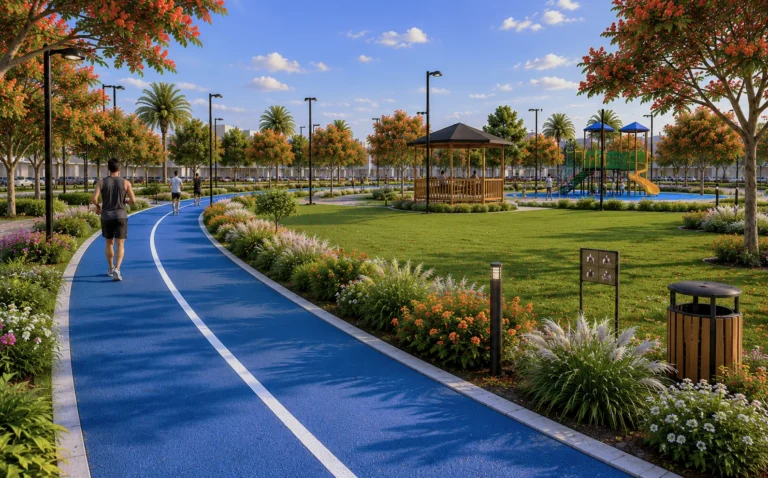
ORO headquarters architectural visualisation
ORO Headquarters · architectural visualisation
The CRI approach

Engineering that starts with the right questions

Every development begins with an ambition: a new community, a better connection, a more productive workplace or an asset ready for its next chapter. Turning that ambition into a workable project means understanding the relationships between land, movement, buildings and infrastructure. CRI Engineering Consultants brings those relationships into the design conversation, helping clients define what needs to happen, what information is missing and which decisions should come first.

Our work connects transportation and traffic engineering, roads and infrastructure, architecture and interiors, landscape and master planning, project and construction management, solar and sustainable engineering, marine engineering and specialist studies. Clients can commission a focused investigation or bring several disciplines together around a shared brief. The starting point is always the project itself: its location, purpose, users, programme and practical constraints.

A coordinated brief can reveal issues that are easy to miss when disciplines work separately. An access point may affect the landscape strategy; a drainage level may change the road layout; a servicing route may influence the building footprint. Resolving these questions while options remain open gives the team a stronger basis for design development, cost planning and discussions with the relevant stakeholders.

How we work

Technical depth.
Practical decisions.

A design is only as strong as the thinking that connects its parts. We bring the right disciplines into the conversation early, identify interfaces and turn technical complexity into clear next steps.

01 Understand the brief and the site

02 Test options and coordinate the design

03 Support delivery and informed decisions

Meet CRI →
The CRI approach

From an early idea to a defined route forward

At the outset, we help frame the decision. Is the priority to understand development potential, resolve a specific access constraint, compare layout options or prepare a coordinated design package? Defining that question helps determine the right surveys, studies and specialist inputs. It also separates assumptions that can be tested immediately from matters that depend on further information or consultation.

As a project develops, the focus moves to coordination. We consider how the preferred option works across disciplines, how design changes affect other packages and what needs to be recorded for the next stage. Clear responsibilities and timely decisions matter as much as the drawings themselves. Our role is to make technical choices understandable and to keep the agreed objectives visible as detail increases.

During procurement and construction, support is matched to the appointment. This may include technical clarification, review of submitted information, coordination of design interfaces and assessment of proposed changes. The scope is agreed openly, including deliverables, exclusions and the responsibilities of other parties. This gives clients a clear understanding of the support they are commissioning and the information needed to move forward.

The CRI approach

Places that work for people and operations

A successful place supports more than its opening day. Residents need convenient routes and usable shared spaces. Visitors need clear arrival points. Operators need access for maintenance, deliveries and emergency response. These everyday requirements influence site planning, circulation, levels, landscape and building organisation. Considering them together helps avoid a design that looks resolved on paper but creates difficulties in daily use.

Climate and resource use are part of the same conversation. Shade, orientation, water demand, planting choices and maintainability should be considered alongside appearance and commercial objectives. The right response depends on the site, the intended use and the available evidence. We favour defined performance objectives and practical design decisions over broad claims that cannot be assessed against the project brief.

Our sector approach recognises that a residential community, a commercial building, a transport corridor and a waterfront each have different priorities. We shape the technical brief around those differences, while keeping the connections between disciplines visible. Explore our sectors to see the kinds of questions that guide planning, design and delivery in each setting.

Explore our sectors →
Our regional reach

Local understanding.
Regional perspective.

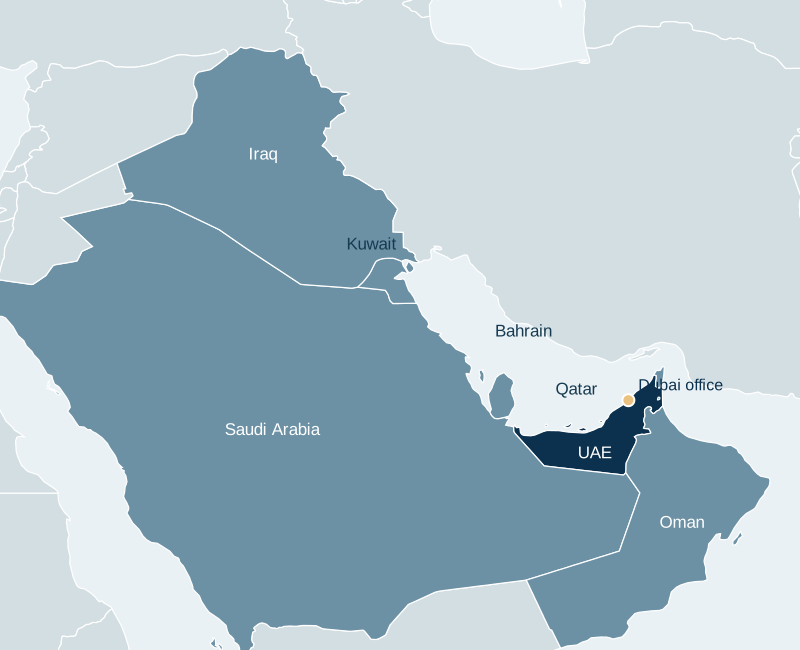
Our primary market is the UAE, with a wider focus across the GCC and Iraq. Each commission starts with the local context: its requirements, stakeholders, site conditions and delivery priorities.

● Dubai office · Shaded countries indicate service coverage.

Coverage: UAE, Saudi Arabia, Oman, Qatar, Bahrain, Kuwait and Iraq.

Map of GCC countries and Iraq; Dubai office marked
Regional overview · Natural Earth map data
The CRI approach

A regional outlook grounded in local conditions

Development across the UAE, the wider GCC and Iraq brings together different planning systems, operating conditions and infrastructure priorities. A regional perspective is useful, but it does not replace project-specific investigation. Our approach starts with the location and the decision-making context, then identifies the applicable stakeholders, information requirements and interfaces that should shape the commission.

Official planning and authority publications provide valuable context for that work. Our Insights hub brings together technical themes and links to primary sources, including Dubai RTA, Abu Dhabi Mobility, municipalities and regional public bodies. It is a place to explore the questions behind a project, understand emerging priorities and find the original reference before making a site-specific decision.

Explore perspectives and sources →
Market context · reviewed 26 October 2026

Priorities shaping the built environment.

Connected urban growth

The UAE Government’s overview of Dubai’s 2040 Urban Master Plan places public transport, walking and cycling within the city’s development direction. For project teams, this provides context for examining connections beyond the plot boundary. CRI perspective: consider how arrival, pedestrian continuity and nearby uses fit together when framing the initial brief.

UAE Government · Dubai 2040 ↗

Improving existing buildings

Dubai Municipality announced its Existing Buildings Greening Guide on 16 September 2026, addressing practical improvements in resource efficiency and building operation. CRI perspective: an improvement brief should establish existing conditions and measurable objectives before selecting interventions. This helps owners compare options against the needs of the asset, its occupants and its operating team.

Dubai Municipality · 16 September 2026 ↗

An integrated view of mobility

Abu Dhabi Mobility describes a remit spanning land, aviation and maritime transport, with safe, smart and sustainable mobility as a central objective. CRI perspective: a development access strategy benefits from considering different users and modes together. The right assessment depends on the project location, available networks and the information required by the relevant authority.

Abu Dhabi Mobility · About ITC ↗

Authority context and CRI commentary are identified separately. Consult the original publication for its full scope and current status.

Insights

Ideas that inform
better decisions.

Explore insights →
Start a conversation

What are you planning?

Tell us about the site, the challenge and the decision you need to make. We will help define the right scope of support.

Make an Enquiry ↗